
7 Ways to Reduce Winter Arthritis Pain
There’s a lot to look forward to when winter rolls around—hot cocoa by the fire, holiday decorations, reuniting with family—it’s truly a magical time of year. But for the 50 million Americans living with arthritis, the colder weather can bring a different kind of challenge: increased joint stiffness, swelling, and pain.
Cold temperatures can affect how muscles and joints feel and move, often leading to more discomfort and less motivation to stay active. The result? Activities you normally enjoy—like decorating the tree, taking a winter walk, or playing with the grandkids—might feel out of reach.
The good news is that arthritis pain doesn’t have to hold you back this season. Whether you have osteoarthritis, rheumatoid arthritis, or another type, there are simple, effective ways to manage symptoms and stay active. With a few adjustments to your daily routine and some extra self-care, you can protect your joints and keep doing the things you love all winter long.
Below are seven proven ways to help reduce arthritis pain and stiffness during the colder months.
1. Bundle Up and Stay Warm
Cold weather is one of the most common triggers for aching joints. When temperatures drop, muscles tighten, circulation slows, and joints may feel more rigid.
To help your body cope, dress in layers that trap heat and protect vulnerable areas like your hands, knees, and legs. Thermal leggings, compression gloves, and warm socks can make a noticeable difference. Don’t forget scarves and hats—keeping your core warm helps maintain overall body temperature.
If you’re heading outdoors, warm up your muscles indoors first with gentle stretches or marching in place. Keeping your body warm helps reduce stiffness and prevent flare-ups before they start.
2. Check Your Vitamin D Levels
In the winter, shorter days and less sunlight can mean lower vitamin D levels, especially for older adults who spend more time inside. Vitamin D plays a vital role in maintaining bone strength and joint health. Low levels have been linked to muscle weakness and increased arthritis pain.
Ask your primary care physician about getting a vitamin D screening. If your levels are low, your doctor may recommend a supplement or more vitamin D-rich foods like salmon, fortified milk, and eggs. Even spending a few minutes in natural sunlight—weather permitting—can help your body produce more vitamin D naturally.
3. Stay Active with Gentle Movement
When your joints ache, exercise might feel counterintuitive, but it’s one of the most effective ways to manage arthritis symptoms. Regular, low-impact movement keeps your joints flexible, strengthens muscles around them, and helps with circulation—all of which can ease pain.
Activities like yoga, tai chi, and swimming are excellent winter options. If you have access to a heated therapy pool, even better—the warmth of the water can soothe stiff joints while providing gentle resistance for strengthening.
If you prefer to stay indoors, consider chair-based exercises or short stretching sessions throughout the day. The goal is to keep moving, even in small ways, to prevent stiffness from setting in.
4. Eat Smart to Reduce Inflammation
What you eat can have a powerful impact on inflammation and joint pain. A diet rich in anti-inflammatory foods can help reduce swelling and improve mobility over time.
Focus on foods that fight inflammation:
- Fruits and vegetables such as cherries, berries, grapes, kale, and spinach
- Omega-3 rich foods like salmon, walnuts, and flaxseeds
- Whole grains and lean proteins
Try to limit or avoid processed foods, sugary snacks, and refined carbohydrates, which can trigger inflammation.
Research shows that the Mediterranean diet—high in vegetables, whole grains, healthy fats, and lean proteins—can be particularly beneficial for people with arthritis.
Learn more: WebMD – Anti-Inflammatory Diet
5. Get More Vitamin C
Vitamin C supports the body’s ability to make collagen, a key component of cartilage that cushions joints and helps them move smoothly. As arthritis progresses, this cartilage can wear down, leading to pain and stiffness.
Adding more vitamin C-rich foods to your diet can help support joint health. Try citrus fruits, bell peppers, strawberries, cauliflower, and cherries. These foods are also packed with antioxidants that protect against further joint damage.
Learn more: Linus Pauling Institute – Inflammation and Health
6. Try Heated Paraffin Dips or Warm Compresses
If cold weather makes your hands or feet particularly stiff, a heated paraffin wax dip can help. This soothing treatment improves circulation and relaxes tense muscles.
You can find paraffin wax kits online or in stores for less than $30. Alternatively, try heated slippers or gloves that can be warmed in the microwave for quick relief.
Applying warm compresses or using a heating pad for 15–20 minutes can also ease tight joints before daily activities.
7. Sip on Green Tea
Green tea is packed with antioxidants known as polyphenols, which may help reduce inflammation and protect cartilage from further damage. Regularly drinking green tea can also help combat chemicals in the body linked to joint pain.
Try swapping one cup of coffee or soda each day for a warm, calming mug of green tea. The small change can contribute to better overall joint health.
Why Physical Therapy Is Key for Managing Arthritis
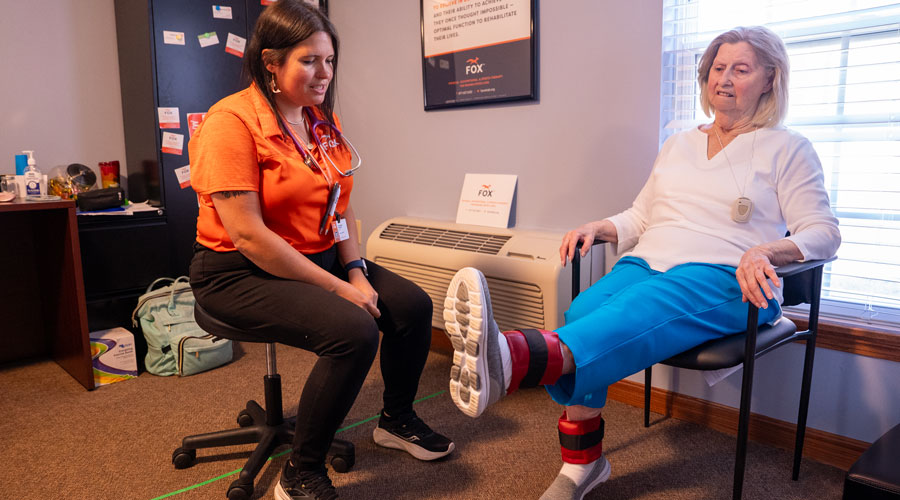
Lifestyle changes like staying warm, eating well, and gentle exercise can go a long way toward easing arthritis symptoms. But if joint pain continues to interfere with your daily life, physical therapy can help.
A licensed physical therapist can create a personalized treatment plan tailored to your specific type of arthritis, your pain levels, and your activity goals. Therapy often includes exercises to strengthen the muscles that support your joints, improve flexibility, and restore balance—all without the use of medication.
Physical therapists can also teach you joint protection techniques, posture adjustments, and safe movement strategies for daily activities like walking, lifting, or climbing stairs. These small changes can significantly reduce stress on affected joints and help prevent flare-ups.
Making Winter More Comfortable and Active
Arthritis pain may feel worse when the temperatures drop, but it doesn’t have to define your season. With the right strategies—layering up, nourishing your body, staying active, and seeking professional guidance—you can manage symptoms effectively and keep your independence.
Whether your goal is to shovel snow without pain, wrap gifts with ease, or simply enjoy time with loved ones, every small step you take toward joint care makes a difference.
By combining at-home remedies with consistent movement and professional support, you can reduce arthritis pain, maintain your mobility, and make this winter your most active—and joyful—yet.