
Beyond The Patient: A Clinician’s Ability To Help The Caregiver
By Jacqueline Lewis Keefauver, PT, DPT
FOX Regional Quality Assurance Liaison Team Lead
A clinician that has the opportunity to treat a patient in their home is given the opportunity to address multifactorial components – physical, environmental, emotional, and social. A caregiver often is a key player in a patient’s success when treatment is provided in the home and, as clinicians we have the knowledge to assist the caregiver with the many roles they take on – financials, health proxy, social support, emotional support, and physical assistance -in order to decrease the burdens of the aging population.
CAREGIVER FINANCIALS
Caregivers often lose a consequential amount of their annual income. At times, they are unable to maintain their full-time job because of the assistance their loved one now requires. They may need to complement additional assistance with additional costs. They may be struggling with the balance of both.
Importantly, caregiver financials can be addressed by in-home clinicians. Clinicians ensure that a loved one’s quality of life is the best it can be, in part by aiding and alleviating burdens in their everyday activities. Our clinicians are skilled in identifying impairments and rehabilitating older adults to maximize their potential and most importantly keep patients in their home environments alleviating additional stress on the caregiver.
DECISION MAKING
Clinicians work with caregivers and healthcare professionals to facilitate some of life’s most challenging decisions. These decisions are made regardless of whether an older adult’s condition improves or declines.
EMOTIONAL SUPPORT
By offering social and emotional support, clinicians can encourage patients to engage in healthy behaviors. Many older adults have long-standing comorbidities that often place them in isolating situations. Clinicians instill a bond and trust so that patients adhere to their individualized treatment strategies for the various challenging healthcare issues they face while providing education to both the patient and caregiver.
CLINICAL SUPPORT
One of the more obvious ways that clinicians can assist older adults in their physical and individualized demands is by evaluating the physical demands of their daily lives and environmental needs : balance, pain management, functional independence, social participation, home environments, bathing, dressing, assistive device management, hand function, social engagement, speech disorders, language and swallowing, and cognition. We are skilled in cataloging these characteristics and challenges and applying our clinical pillars to maximize functional potential. Areas of patient-specific programming include therapeutic exercise, wheelchair seating and positioning, documentation to third parties, differential diagnosis and medical screening, cognitive impairments, Parkinson’s trainings, and community integration.
Clinicians have the incredible ability to evaluate each patient’s unique and evolving characteristics, implement a plan based on clinical judgment and core values of compassion, commit to decreasing patient and family burden, and rehabilitate older adults to be the best version of themselves. We can play an integral role in a loved one’s ability to successfully age by providing the caregivers with the resources and knowledge to aid in one’s independence.
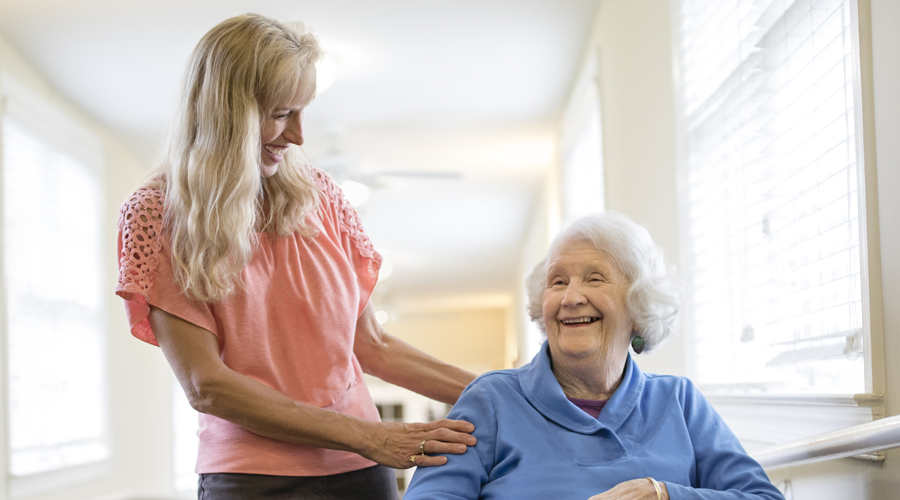
While the people in this photo are a real FOX clinician and patient, they are not mentioned in this article.