
Why Hydration Is Critical in Patient Care
By Meagan Aponas, OT Occupational Therapist, Northeast Massachusetts
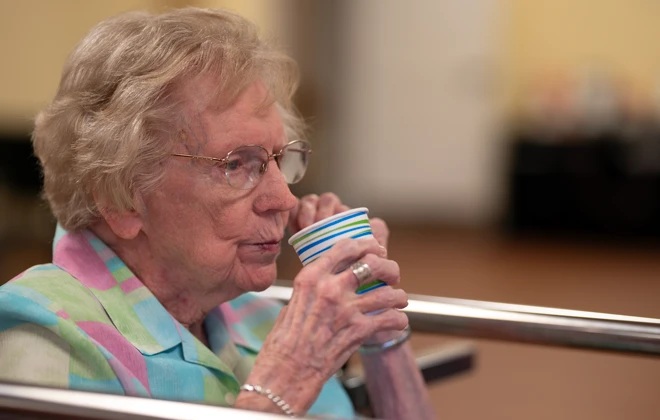
In my time as an occupational therapist working with the older adult population, I began to notice a vast number of the patients I treated hardly drank water. As I continued to inquire about hydration, I found more and more patients who did not routinely drink water or, if they did drink water, they didn’t drink nearly enough. This led me to ask myself, why?Why Aren’t Older Adult Patients Drinking Enough Water?
There's a much bigger emphasis on the importance of hydration than there has been in previous decades. And for good reason. A study from the University of California, Los Angeles School of Nursing found that up to 40% of elderly people may be chronically underhydrated. As I mentioned, this lack of hydration in the older adult population sparked my curiosity. I began asking my patients why they didn’t drink water. The general responses were as simple as either “I never have” or “I don’t like water.” But after digging a little deeper, it became clear that the root cause was simply that water intake and hydration were hardly discussed or addressed when they were growing up. Despite this lack of knowledge or understanding of hydration, almost all of the patients I treat have been advised at one point or another to hydrate. However, many of the patients who have been advised to increase their hydration don’t end up following through. Which, again, led me to the question, why not? I’ve found that there are two main reasons why the patients I treat aren’t following through on their doctor's orders to drink more water- Older adult patients truly do not understand the benefits of hydration and the risks of dehydration.
- There are many individuals who simply do not like the taste of water.
What Health Risks Does Dehydration Pose to Older Adults?
According to the Cleveland Clinic, dehydration is often an overlooked health risk for seniors. Additionally, dehydration is a common cause of hospitalization among elderly people. Some other major risks of dehydration include:- Increased dizziness
- Increased risk for falls
- Increased risk for UTIs
- Poor circulation
- Headaches
- Nausea
- Confusion
- Decreased energy
- Constipation
How Clinicians Can Encourage Older Adults to Stay Hydrated
After I understood why my patients weren’t drinking enough water and some of the associated health risks, I began educating them on the benefits of hydration and different options for those who did not like the taste of water.Educating Your Patients
I recommend first educating patients on the benefits of hydration and then wrapping in the risk factors in a non-threatening way. My patients tend to respond better to “Here are all the great things hydration can do!” rather than “If you don’t drink water then x, y, and z will happen.” Yes, it is important to stress the risk factors, but I’d recommend doing so in a way that resonates with the patient rather than lecturing them. With education, many patients are far more willing to focus on increasing their hydration. Some of the benefits of proper hydration include:- More energy
- Fewer falls
- Decrease in UTIs
- Less constipation
Fostering Good Hydration Habits
Some strategies I’ve recommended in the past are mixing up what kind of water the patient drinks. For example, there are numerous sparkling and flavored water brands to try. That said, it’s important to educate patients and caregivers on healthy alternatives to tap or bottled water. Avoid sports drinks or other liquids with too much sugar. There are also plenty of healthier water-rich liquids such as smoothies or skim milk Another way to increase hydration for any patient, but particularly those who dislike water, is to recommend water-rich foods such as strawberries, broccoli, and celery. The last strategy I recommend trying is adding some form of hydration aid. These include reminders, water intake trackers, or even just requesting caregiver reminders.Hydration is a Small Step Toward Living Better Longer
All of these small changes can make a big impact on our patients’ health and well-being. As clinicians, even just starting small by encouraging hydration during sessions is a great place to begin. By educating, encouraging, and providing alternate options for hydration we can drastically improve our patients’ lives and decrease their overall risk for falls and hospitalizations.Recent Articles
-

Stay Strong This Fall: Why Movement Matters More Than Ever
Fall has a way of quietly shifting our daily routines before we even realize it. As daylight fades earlier and the weather turns cooler, outdoor walks become less inviting, holiday planning picks up, and we naturally spend more time indoors. When these seasonal shifts happen, our overall physical activity can quietly drop right alongside the temperature. -
Beyond Balance: Dynamic Strength for Fall Prevention
When discussing fall prevention for adults over 50, standard advice almost always centers on environmental modification: clearing cluttered hallways, removing loose throw rugs, improving indoor lighting, and installing bathroom grab bars. While these precautions are a vital first step in making a home safer, environmental fixes address only one side of the equation. -

FOX Rehabilitation’s Jason Hazel Elected to Argentum Board of Directors
FOX Rehabilitation is proud to announce that its Chief Growth and Strategy Officer, Jason Hazel, PT, DPT, has been elected to the Argentum Board of Directors, joining a distinguished group of senior living leaders committed to advancing innovation, operational excellence, and compassionate care across the industry.