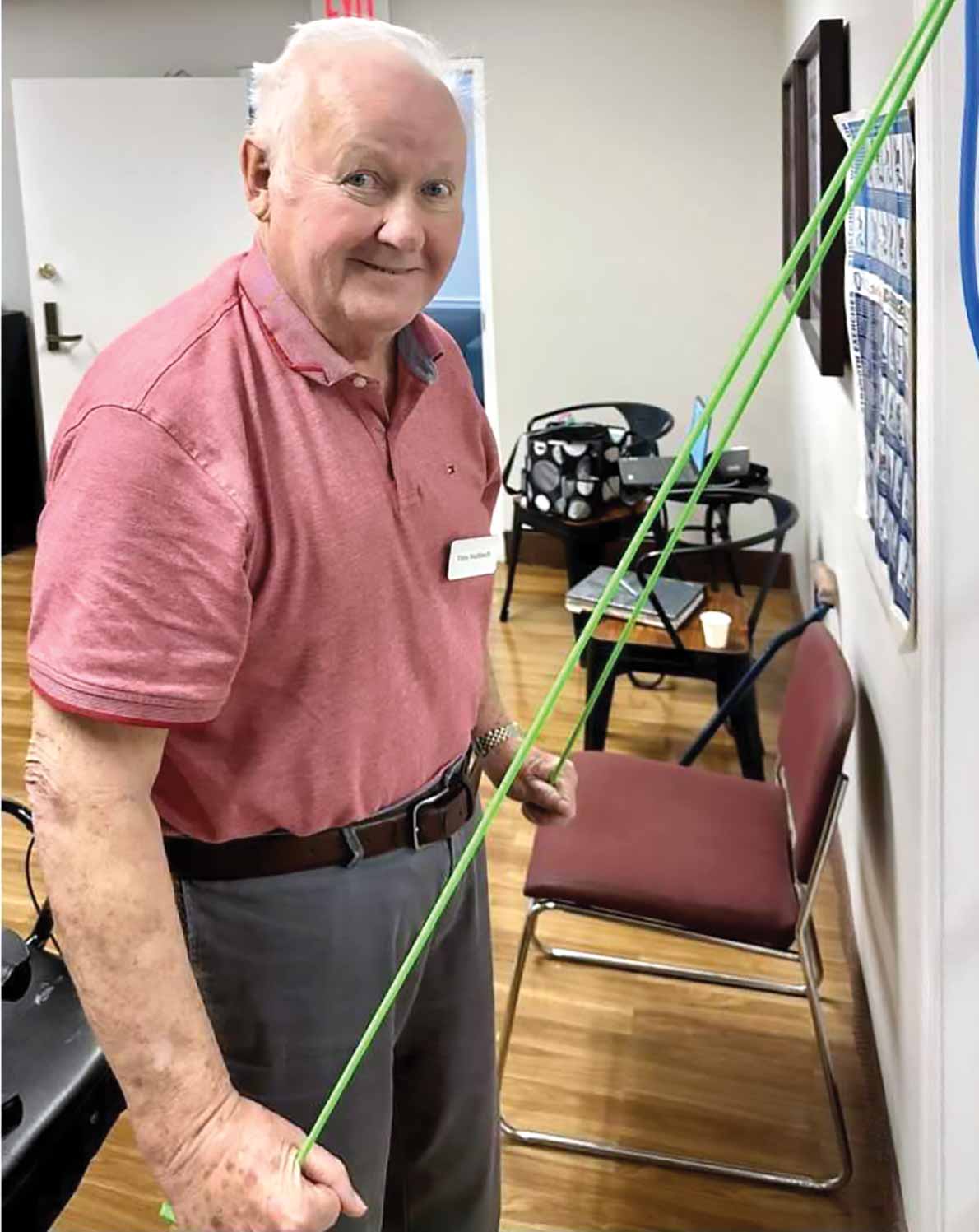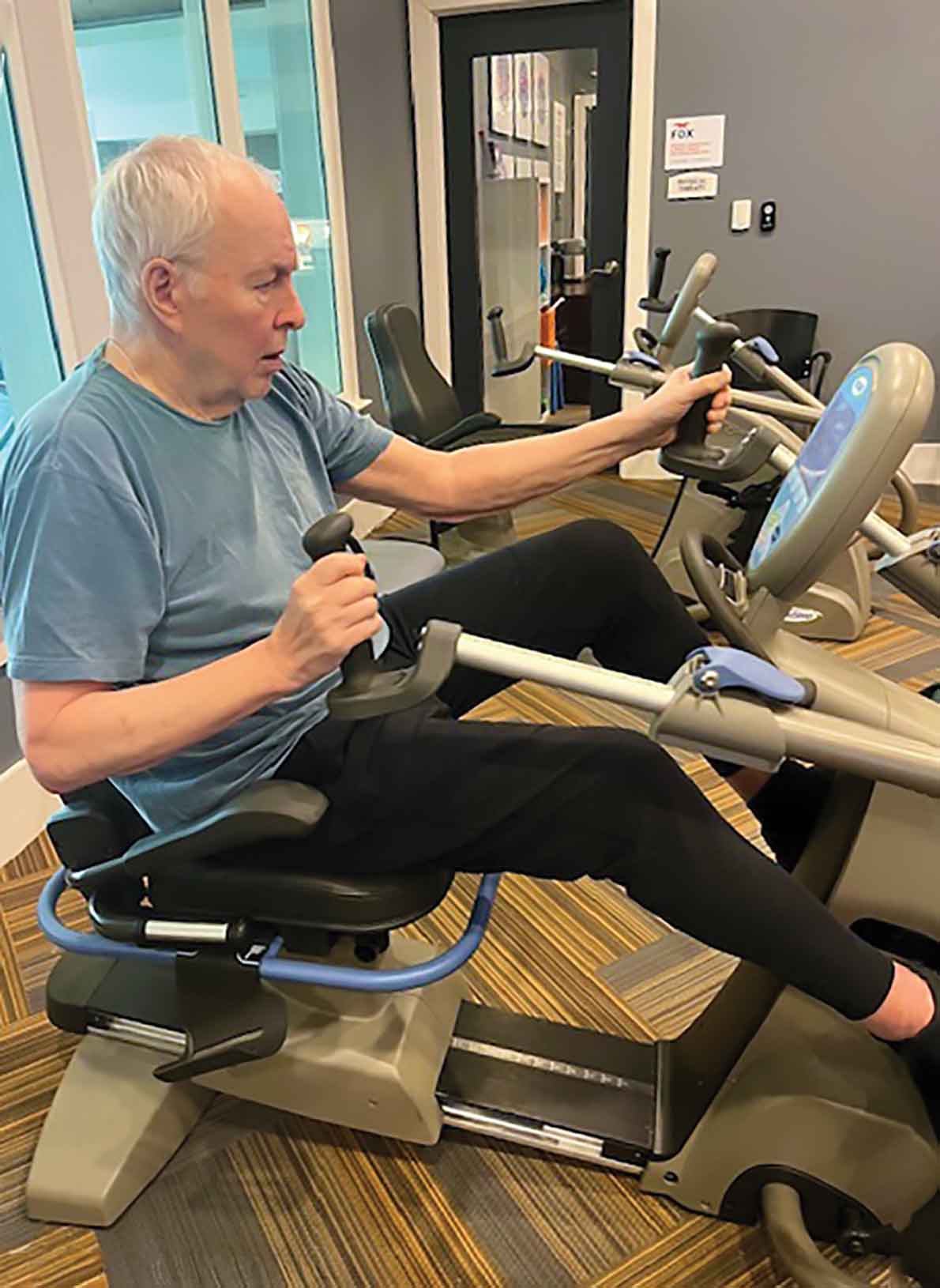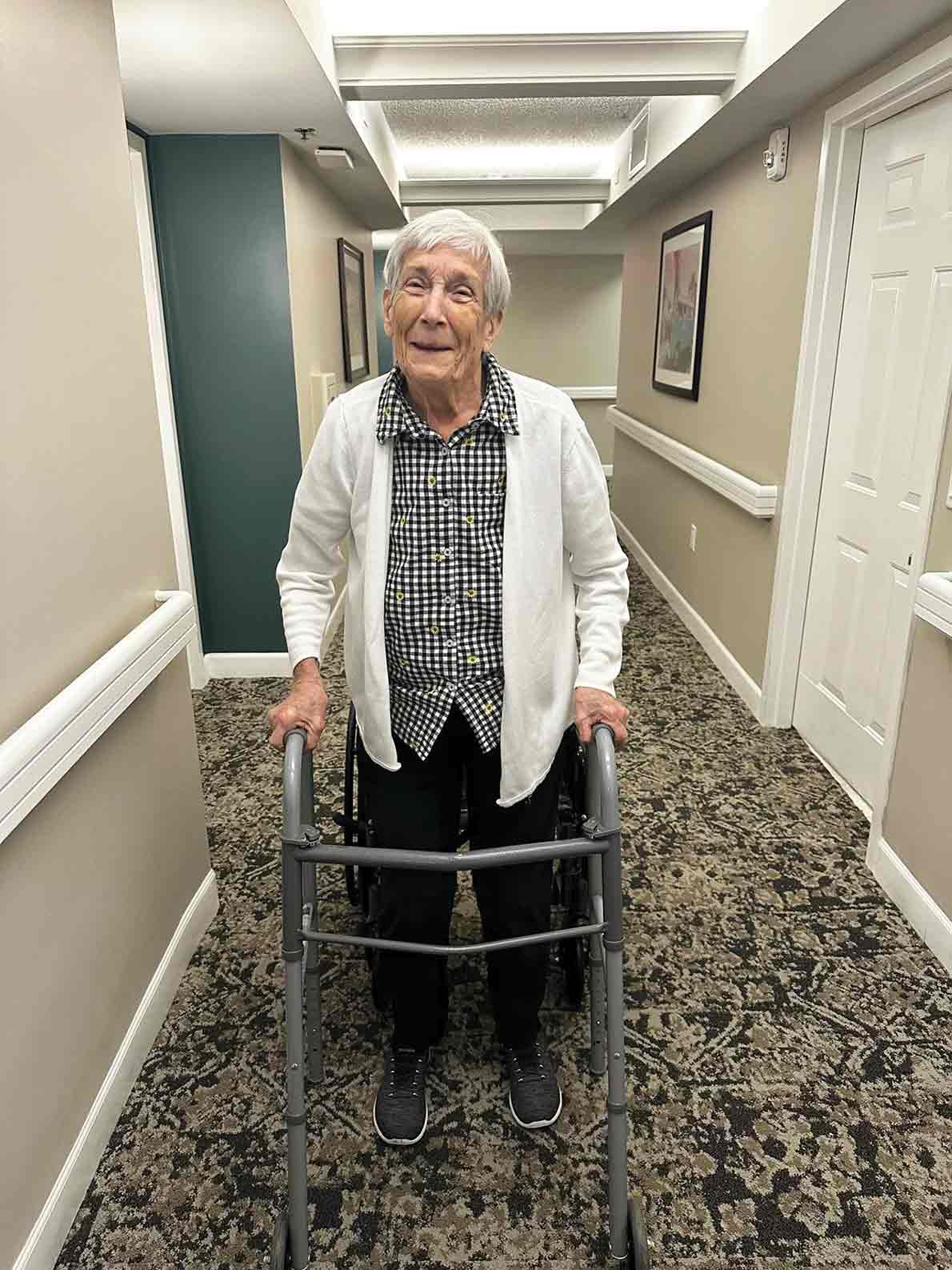

Talk with your healthcare provider or contact FOX Rehabilitation if you notice any of the concerns below. A FOX therapist can complete an evaluation and determine whether therapy is clinically appropriate for your needs and goals.
Physical or Occupational Therapy May Help When You Notice:
- Weakness or reduced endurance
- Difficulty walking, standing, or using stairs
- Unsteady walking, loss of balance, or falls
- Fear of falling
- Difficulty getting in or out of a chair, bed, or vehicle
- Pain, stiffness, reduced flexibility, or loss of motion
- A decline after illness, injury, surgery, or hospitalization
- Difficulty dressing, bathing, grooming, or using the bathroom
- Difficulty preparing meals, managing medications, or completing household tasks
- Home-safety concerns or environmental barriers
- A need for adaptive equipment or new ways to complete daily activities
- Changes related to dementia that affect routines and independence
- Caregiver challenges related to supporting everyday activities
- A need for caregiver education related to safe movement or daily activities
Speech-Language Pathology May Help When You Notice:
- Difficulty speaking clearly or communicating wants and needs
- Difficulty chewing or swallowing
- Difficulty understanding language or participating in conversation
- Coughing, choking, or a wet-sounding voice during or after meals
- Changes in memory, attention, organization, safety awareness, or problem-solving
- A need for caregiver strategies related to communication, thinking, or swallowing
Accessing the Right Care
FOX will consider your clinical needs, goals, safety, home environment, and caregiver support when recommending care. When clinically appropriate, virtual care may help reduce wait times or connect you with a therapist when distance or local availability creates a barrier. This may be especially useful for speech-language pathology evaluation, treatment, caregiver education, and follow-up. Limited physical therapy education or caregiver training may also be supported virtually when appropriate.