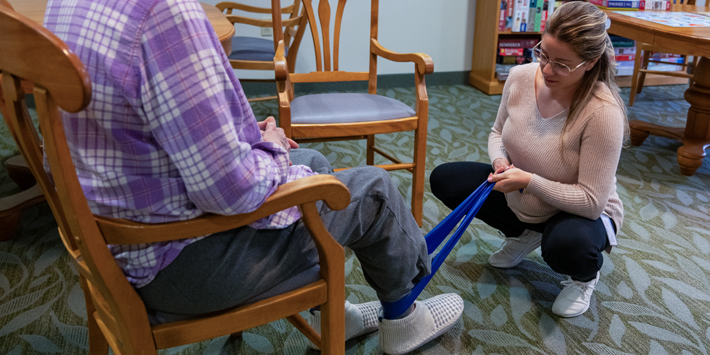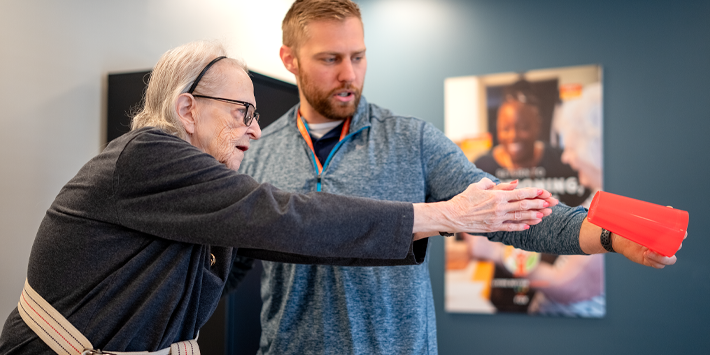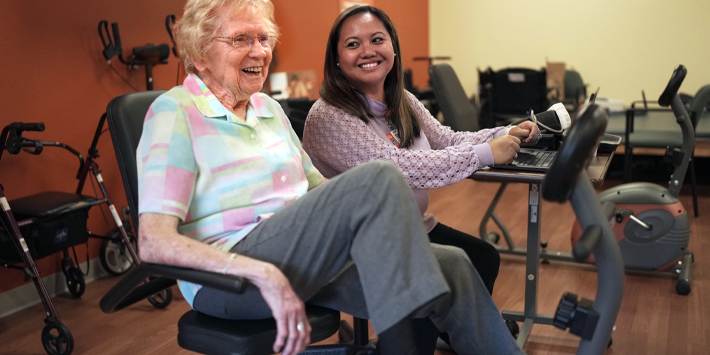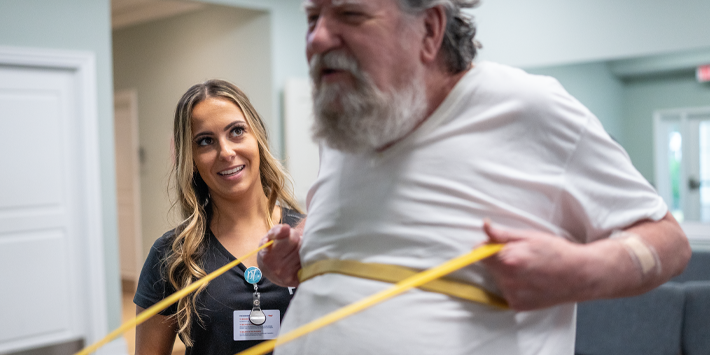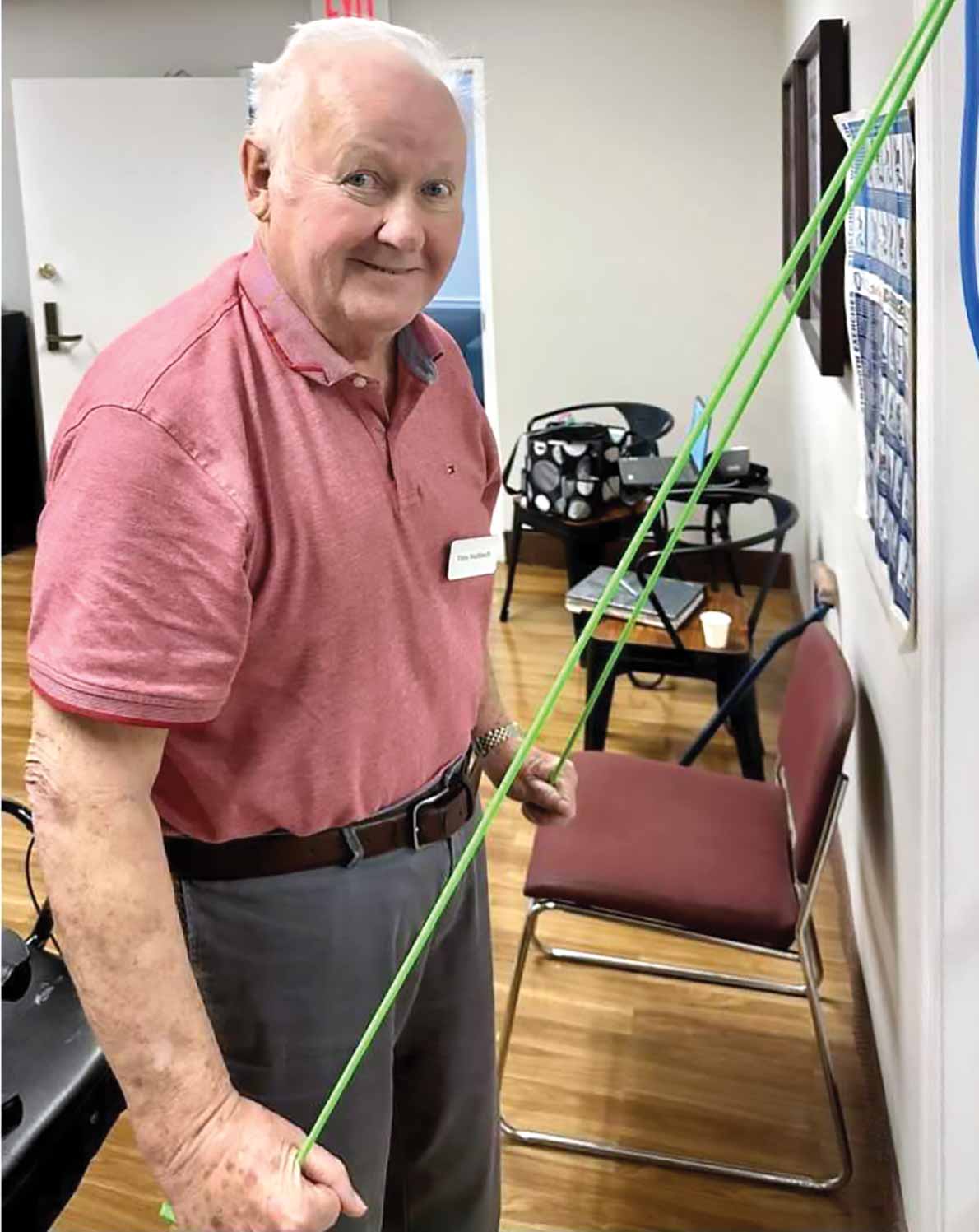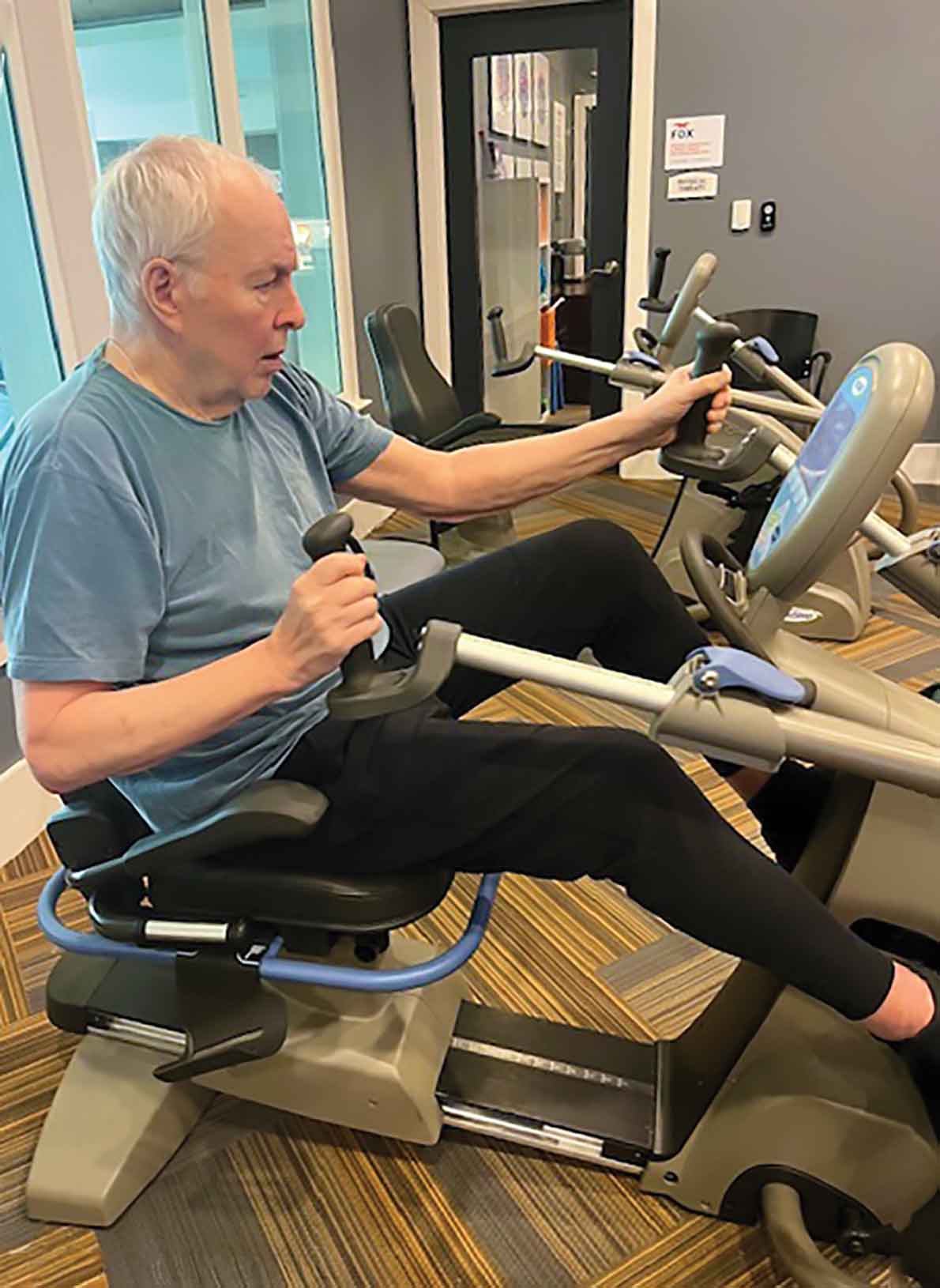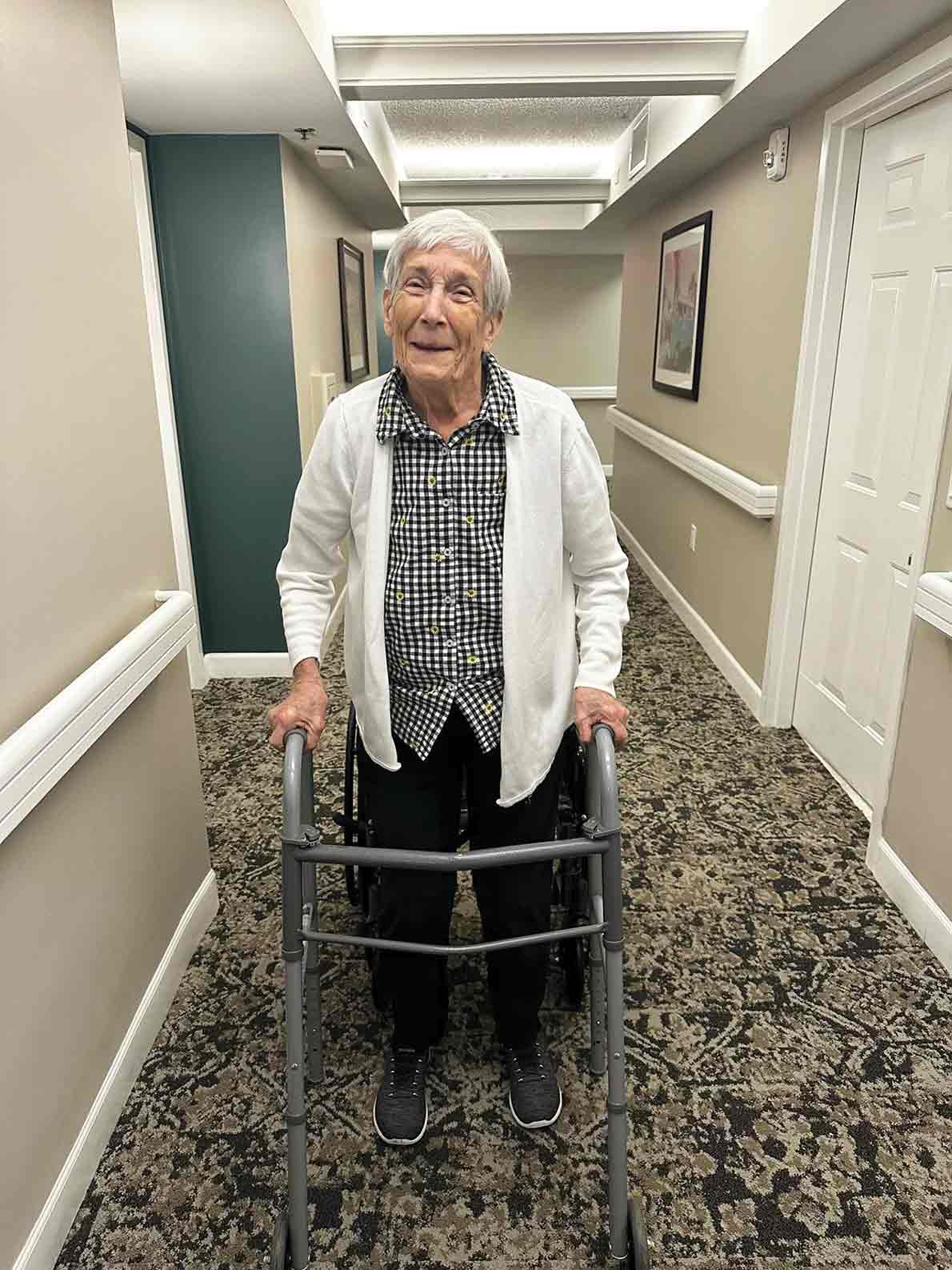

FOX Rehabilitation helps physicians address the functional problems that often sit between a medical diagnosis and a patient’s ability to live safely and independently. Our clinicians evaluate patients where they live, build plans around meaningful goals, and communicate findings that can support the broader medical plan.
When to Consider FOX
-
Weakness
New or worsening weakness, balance problems, falls, or difficulty walking
-
Decline
Decline in activities of daily living or caregiver concern
-
Changes
Changes in communication, cognition, chewing, or swallowing
-
Functional Limitations
Functional limitations related to chronic neurologic, cardiopulmonary, or orthopedic conditions
-
After Hospitalization
Need for rehabilitation before or after a procedure, hospitalization, or other change in health
What Physicians Can Expect
-
Patient Focused
A patient-specific evaluation and plan of care
-
Functional Goals
Functional goals tied to the patient’s home and daily routines
-
Treatment Response
Monitoring of treatment response and escalation of concerns that require medical follow-up
-
Caregiver Education
Caregiver education and support for participation at home and in the community
-
Flexible Delivery
Virtual, hybrid, or in-home delivery based on clinical appropriateness, safety, and access
Pertinent Outcomes
FOX tracks functional improvement, progress toward patient goals, care delivered, and discharge disposition. These measures help physicians understand whether the patient is becoming safer, more independent, and better able to manage daily life.
For appropriate patients, timely therapy may also support safer transitions and reduce the likelihood that functional decline leads to a higher level of care. Outcomes vary by patient, diagnosis, setting, and clinical complexity.
Care Across Common Physician Specialties