
CABG: A Guide for Physical Therapists

By Mallory Gagliano-Barnhart, PT, DPT Physical Therapist, Pennsylvania
Right around Valentine’s Day of this past year, my father was hospitalized for chest pain that turned out to be a MI. It was then discovered that he had significant blockages in multiple coronary arteries, with the recommendation that he receive Coronary Artery Bypass Grafts (CABG) to bypass the blockages. Throughout this whirlwind week where the news kept getting worse, I waffled back and forth between being a daughter and a physical therapist. As a daughter, I was incredibly concerned about my dad and was focused on making sure my parents were supported through the process. But as a physical therapist and doctor (as my parents made sure to remind everyone), I began to research what this surgery would mean for my father and what the recovery and rehabilitation would look like long term. I found that the more I learned, the more I became fascinated with this whole CABG procedure and recovery process. A great deal of innovation has occurred with this surgery since I was in PT school, and I thought it would be beneficial to outline the procedure and review outcomes and treatment concerns. It is very likely that we will work with someone who has recently undergone CABG or has it present in their past medical history.What is the CABG Procedure?
CABG is the most common cardiac surgery performed in the United States, with 400,000 procedures being performed each year. There are three different CABG procedures that can be performed:- Traditional CABG
- Off-pump CABG
- Minimally Invasive Direct CABG
How CABG Affects Physical Therapy
The importance of medication cannot be overstated when it comes to overall well-being and health after CABG surgery. In a time where more and more medically complex patients are being operated on, not only are the risks of surgery increasing but the long-term prognosis after CABG surgery is also being affected. Because CABG surgery does not prevent the progression of CAD in both native vessels and the bypass grafts, it is essential that the patient reduce their risk of a repeat procedure through lifestyle changes as well as medication. Another recent study determined that people who underwent CABG were actually less likely to fill their prescriptions and use medication as secondary prevention than people who had received an angioplasty. Indeed this study found that after 8 years, the prescription rates for statins, beta-blockers, and antiplatelet drugs decreased between 13-15% which resulted in higher mortality rates. In addition to this, when it came to statins specifically, it was found that every additional year of statin use was linked to a 10% lower relative risk of mortality. Similar results were found for platelet inhibitors.CABG Considerations for PTs
As clinicians, our job is to encourage our patients to continue making yearly visits with their cardiologists to ensure that their specific cardiac medications are being monitored and used to optimize cardiovascular function and reduce mortality. In the weeks and months after CABG surgery, there are many guidelines regarding how the patient can safely progress. Generally, there will be a lifting restriction for the first few weeks, which will limit the patient’s ability to perform weight lifting until around 10-12 weeks. The patient’s care team will dictate their progress and clear them to begin an exercise program, however, I will be reviewing some general guidelines here for reference.Incorporate Appropriate Exercises Post-CABG
Aerobic exercise should be performed most days of the week for 30-60 minutes with the goal of increasing time rather than intensity. The patient should demonstrate an increase in heart rate and breathing rate but be able to carry on a conversation while exercising. On the BORG scale, they should remain between 11-13. Interval training can also be utilized to help the patient progress up to 30 minutes of continuous exercise. Once the surgeon clears the patient to perform weight training, light training can begin, with the goal being high repetitions 2-3 days a week. A 5-10 minute warm-up and cool down is also recommended. In the later stages of recovery, specifically more than two years after surgery, aerobic training should be emphasized. This can be performed using two types of exercise, continuous method and interval aerobic training. With the continuous method, or CAT, the exercise is performed without rest periods. In the case of Interval aerobic training (IAT), intervals of rest are incorporated.Monitor Blood Pressure
Because the majority of patients with CVD will be put on Beta-blockers, it is important to remember that the HR response to exercise will be reduced. Additionally, these patients also do not often achieve VO2 max. With these two measures being limited, as clinicians we should focus on monitoring for blood pressure changes (both high BP and BP fall with exercise), arrhythmias, syncope, moderate to severe dyspnea, and angina or claudication especially in the first 4 months after surgery.Determine Appropriate Recovery Intervals
Depending on the patient's functional capacity either active or passive recovery intervals can be used. In recent years, IAT and High-Intensity Interval Training (HIIT) have been trialed in patients in rehab after CABG. One such protocol that was shown to be effective involved an 8-minute warm-up, 4x4 minute intervals at 90% max HR, with 3-minute pauses of walking at 70% max HR, and a 5-minute cooldown.Recognize the Long Term Effects of CABG
Many studies have shown a significant quality of life improvement after CABG surgery lasting for many years, with the effects of the surgery tending to positively affect physical factors more than mental aspects over time. In general, a decrease in depression, reduced symptoms up to 15 years, decreased risk of death from cardiovascular causes, and a reduction of hospital admissions can be seen in long-term follow-up studies. The risks of this surgery have decreased significantly over the years, ensuring that the risk of this surgery is worth the reward in most cases. With the increase in the prevalence of obesity, diabetes, and the aging population (all risk factors for CAD), it is more than likely that we as therapists will continue to see more patients with CABG surgery in their medical history. Due to the recent advancements in surgical procedure and technology, each of these patients (my father included), presents an opportunity for us to educate and assist in improving and maintaining cardiovascular health long term.Recent Articles
-

Stay Strong This Fall: Why Movement Matters More Than Ever
Fall has a way of quietly shifting our daily routines before we even realize it. As daylight fades earlier and the weather turns cooler, outdoor walks become less inviting, holiday planning picks up, and we naturally spend more time indoors. When these seasonal shifts happen, our overall physical activity can quietly drop right alongside the temperature. -
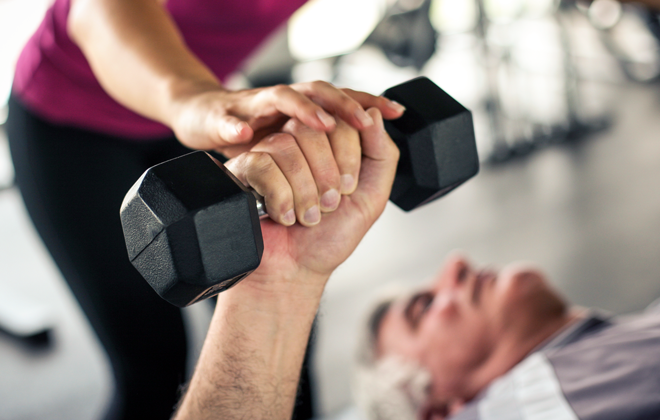
Beyond Balance: Dynamic Strength for Fall Prevention
When discussing fall prevention for adults over 50, standard advice almost always centers on environmental modification: clearing cluttered hallways, removing loose throw rugs, improving indoor lighting, and installing bathroom grab bars. While these precautions are a vital first step in making a home safer, environmental fixes address only one side of the equation. -
FOX Rehabilitation’s Jason Hazel Elected to Argentum Board of Directors
FOX Rehabilitation is proud to announce that its Chief Growth and Strategy Officer, Jason Hazel, PT, DPT, has been elected to the Argentum Board of Directors, joining a distinguished group of senior living leaders committed to advancing innovation, operational excellence, and compassionate care across the industry.