
PT in the Digital Age: Remote Therapeutic Monitoring
By Kerri Bain PT, DPT
Physical Therapist, Virginia
Many factors can contribute to a high risk for falls and potential injuries, especially in older adults. These factors can include but are not limited to decreased sensation in the feet, decreased vision, vestibular dysfunction, decline in balance reactions, and poor posture. This is where a physical therapist can provide their skilled care to increase the safety and independence of their patients and improve their quality of life. What if this skilled care does not always have to be performed in person?
What is Remote Therapeutic Monitoring?
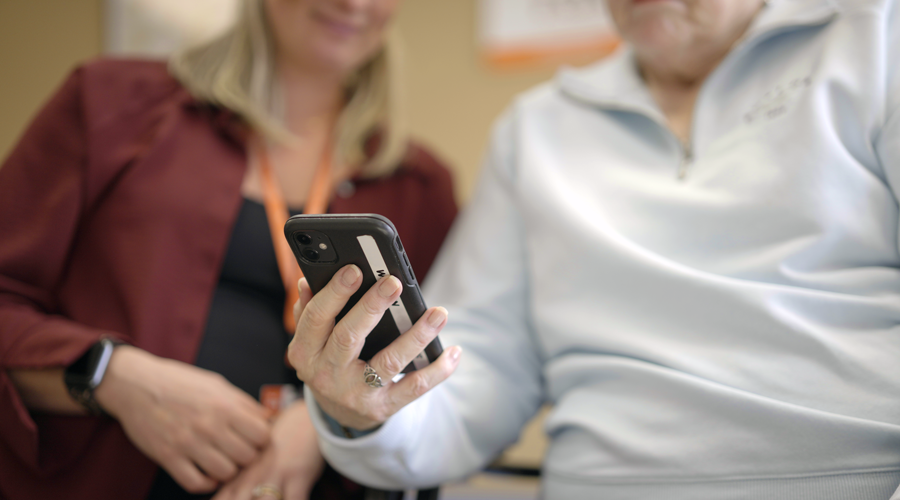
We live in a time where almost everyone owns and knows how to operate a smartphone, including the older adult population. Remote Therapeutic Monitoring (RTM) is a way to integrate the skilled care of a PT into the technological advances of today, all in just one application: OneStep. The application is downloaded onto the patient or power of attorney’s cell phone and activity is logged as it is completed. OneStep is able to collect a wide array of qualitative and quantitative data with just a few clicks. From there, a clinician can use this data to make clinical decisions.
One of the main components of RTM is a walk score. The OneStep application uses advanced motion sensing technology to assess a patient’s step length, step height, base of support, gait speed, and other parameters to provide a walk score. The walk score can be a direct indicator of a patient’s fall risk and can be monitored throughout the plan of care. Knowing specific gait deficits and someone’s walk score can provide clinicians with enough information to provide the necessary education for improved mobility and reduced risk for falls.
Who is Appropriate for RTM?
There are many patients who can benefit from RTM. The main criteria include:
- The patient or Power of Attorney has a smartphone
- The patient has Medicare or Medicare Advantage as their primary insurance
- The patient or Power of Attorney has the cognitive capacity to navigate the OneStep application
How Patients and Clinicians Benefit
With the ability to get an inside look into how the patient is moving and functioning outside of therapy, as clinicians, we can respond proactively. This is not only efficient for the clinician, but it can help decrease the likelihood of falls, injuries, and hospitalizations which can improve a patient’s quality of life. Remote Therapeutic Monitoring can give the patient a sense of autonomy over their health and allow them to continue doing the things they love. It can also help create a sense of routine which has the potential to improve carryover.
The Future of Therapy
Remote Therapeutic Monitoring is transforming the way physical therapy is delivered, making it more accessible and effective for both patients and clinicians. With tools like the OneStep app, clinicians can track patient progress remotely, offering personalized interventions that reduce fall risks and improve mobility. This approach not only enhances patient outcomes but also fosters greater independence and engagement in their care. As technology continues to shape healthcare, RTM is paving the way for a more connected and proactive method of supporting older adults in leading safer, healthier lives.