
How a Holistic Approach Can Improve Therapy Outcomes in Older Adults
By Amy Beatty, MS, OTR/L
Occupational Therapist
As clinicians, we can have a great impact on the lives of the older adults we work with and increase their participation in activities that are meaningful and important to them. We can do this by decreasing pain as well as improving strength, dexterity, balance, and stamina — which are all important to physical functioning.
However, it is also important to look at more than just physical aspects when working with older adults in order to improve therapy outcomes and this is where incorporating a holistic approach comes into play.
What is a Holistic Approach to Clinical Therapy?
A Holistic Approach to therapy focuses on the whole person as opposed to just focusing on the physical disability the person is experiencing. This involves integrating spiritual, physical, mental, and emotional well-being into therapy sessions in order to improve overall well-being. Clinicians who incorporate a Holistic approach to therapy can help their patients develop a deeper understanding of themselves and therefore improve outcomes during the therapy process.
Before we dive into the holistic approach, it’s important to remind ourselves what we mean by physical disability and how it specifically affects older adult patients.
Types of Physical Disability
Physical Disability can result from a variety of causes and impact how older adults function within their environment. Physical disability can be musculoskeletal or it can be neuromuscular.
Musculoskeletal Disabilities
Musculoskeletal disabilities affect the bones, joints, and muscles and can result in muscular weakness, and deformity of bones and joints. In turn, this can make it difficult to perform movement. Some common examples of musculoskeletal disability include:
- Arthritis
- Fractures resulting from falls or osteoporosis
- Pain resulting from tendinitis or bursitis.
Neuromuscular Disabilities
These disabilities can also result in muscular weakness, joint deformity, and joint contractures. However, they originate in the nervous system as opposed to external forces. Common neuromuscular disabilities include:
- Cerebrovascular accidents
- Multiple sclerosis
- Spinal cord injuries
- Peripheral neuropathy
How Physical Disability Affects Older Adults
Physical disabilities are most prevalent among the 65 and older population and can result in the inability to complete activities of daily living and instrumental activities of daily living. Many people who have experienced a physical disability find they are no longer able or have difficulty completing everyday tasks such as dressing, stepping in and out of the shower, managing laundry, completing housework, managing medications, and getting to the grocery store.
Many older adults who have experienced falls, whether with or without injuries, can develop a fear of falling in the future. That can prevent them from getting back to many of the activities they used to participate in. This can lead to further weakness, joint stiffness, pain, and decreased activity tolerance which can impact their motivation to re-engage in their daily routine because they do not want to fall again.
Incorporating a Holistic Approach to Therapy
As stated above, a holistic approach to therapy looks at the whole person and is not limited to the physical nature of weakness, pain, and stiffness. In order to incorporate a holistic approach into your treatment, it is important to look at a person’s self-concept, experience, and readiness to learn. These considerations empower therapists to maximize their impact throughout the therapy process.
Self-Concept
A person’s self-concept is their ability to move from dependency to self-directed learning. This means they feel confident doing an activity alone without anyone being present. This can take a while, and may require the therapist to take a step back in order for the person to feel more confident completing the activity without supervision as long as they are safe to do so.
Experience
Experience in this case means drawing on a person’s past life history in order to aid learning. For example, if your patient used to work as a teacher, or they used to cook meals for their family every Sunday incorporating that into therapy sessions can increase engagement and meaningfulness during the session.
Readiness to Learn
A readiness to learn involves knowing if a person is motivated to become more independent with a certain skill and if they are willing to take the steps needed in order to achieve independence. Some people may not be interested in learning how to be independent with bathing but may want to do their own dressing in the morning. This can help therapists tailor their plan of care to make it meaningful to the person so they will be more motivated to learn and listen to what you have to say.
An Example of Holistic Therapy in Action
Mary is an 85-year-old woman who was referred to therapy services after a fall resulting in a left hip fracture. The fall occurred when she was stepping out of the shower. She lives in an independent living facility where services are available to assist with ADLs and provides meals as needed. Prior to her fall, Mary was independent with all ADLs, prepared her own breakfast in the morning, and did her own laundry. After she came home from short-term rehabilitation, her family set her up with caregiver assistance with bathing, dressing, and laundry.
When initiating her therapy services, you learn she is a mother of three and stayed at home to take care of her children while her husband worked. She is very motivated to resume household duties, however, she has developed a fear of falling when bathing. She states she enjoys having someone assist her with bathing because it puts her mind at ease and her caregiver ensures she is able to bathe more thoroughly than she would have in the past.
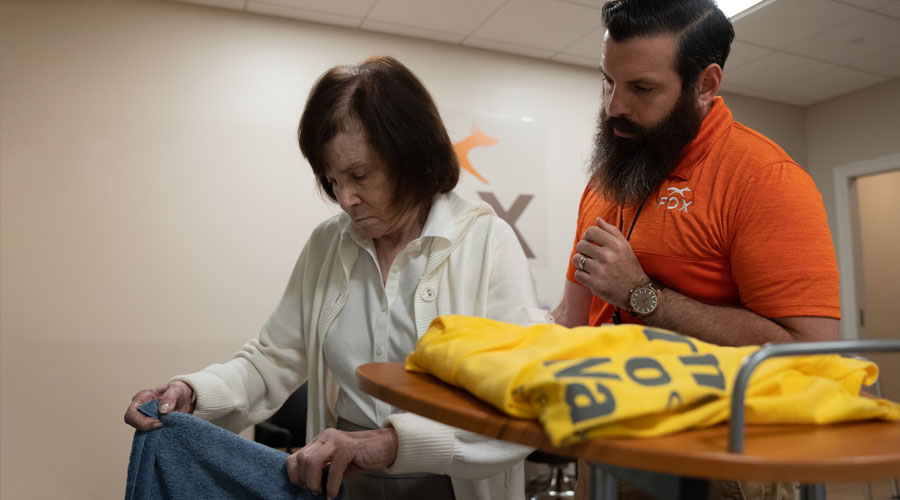
If you were to incorporate the holistic approach to therapy, start when you are establishing her goals. When doing so, it is important to consider her self-concept and where her motivations lie. Being able to shower on her own is not something that interests her any longer, but she does want to be able to dress herself in the morning because she does not want to wait for caregiver assistance every morning. She also finds enjoyment in making her own meals and doing her own laundry. Incorporating these tasks into her therapy sessions will make it more likely for her to want to engage in therapy and self-direct her learning outside of your sessions to progress her independence toward her goals.
Start with a Holistic Approach
It is important to incorporate a holistic approach in therapy sessions rather than just focusing on physical aspects of disability when working with older adults in their home setting. This should be done at the initiation of therapy sessions. Remember, you should not only be considering the physical aspects such as pain, stiffness, and decreased strength which may be hindering them from engaging in their normal routine. You also need to factor in the underlying motivations, self-concept, and their readiness to learn from you during therapy sessions.
This holistic approach will maximize your patient’s engagement during and outside of therapy sessions and allow them to achieve better outcomes.