
Anytime Moves for Whole Body Health
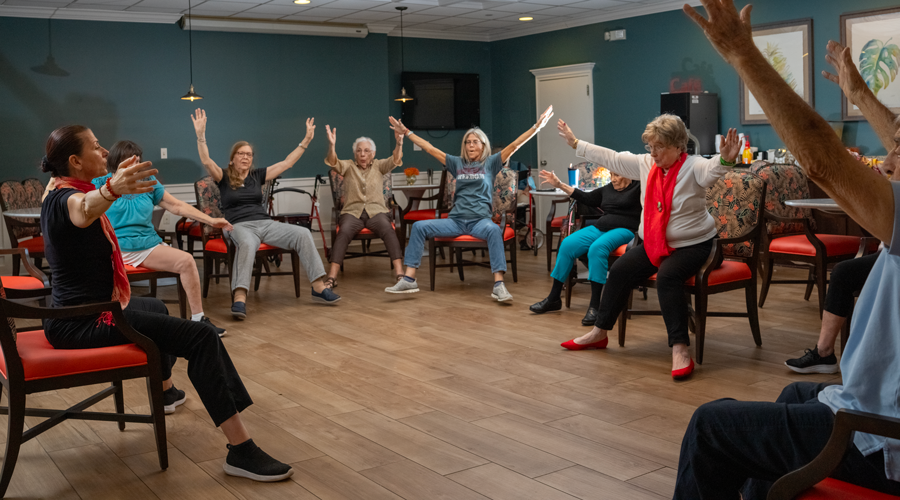
Have you ever noticed how much we encourage kids to be active, yet that same energy fades as we grow older? At FOX, we believe it’s time to change that. Movement, flexibility, and fitness are just as important—if not more so—as we age. Physical activity helps older adults stay independent, drive safely, interact with others, and enjoy a more fulfilling, vibrant life.
Unfortunately, older adults often fall off the radar when it comes to fitness. But staying active doesn’t require high-impact workouts or a gym membership. With a few small, consistent steps, movement can become a natural part of the day. These everyday strategies are simple, adaptable, and effective for people of all ages, from 3 to 103.
Work Out with the TV
Not everyone is ready to dive into yoga or bootcamp—but that doesn’t mean you can’t get moving. Many workout videos are designed specifically with older adults in mind. Options range from gentle stretching and chair yoga to light strength training and line dancing. Choose something that feels enjoyable and manageable based on your current ability and doctor’s guidance.
Even those who use a walker or wheelchair can get involved. Chair exercise videos are especially helpful for building strength and circulation safely. They allow for full-body movement without strain and can easily be done in the comfort of your living room. Plus, many of these programs are available online for free or through senior wellness centers.
Take a Daily Walk
Walking may be simple, but it delivers powerful health benefits. It supports heart health, improves mood, enhances balance, and keeps joints mobile. For those unable to get outdoors, indoor walking works too. Multiple “hallway walks” throughout the day can provide just the right amount of movement.
Set a small goal—like walking the length of your home 10 times each day—and increase it gradually. Be sure to watch for safety hazards like area rugs, cords, or uneven flooring. Walking with a friend, caregiver, or pet can also add motivation and connection.
Join an Active Lifestyle Group
Movement is easier—and often more enjoyable—when you do it with others. Many communities offer activity groups just for older adults. From mall walkers and water aerobics to tai chi and pickleball teams, there’s likely something that suits your interests and pace.
Ask your local senior center, fitness facility, or community wellness program what group options are available. You might be surprised how quickly movement becomes a fun, social part of your weekly routine. Participating with others can boost accountability and give you something to look forward to.
Try Something New
It’s never too late to explore a new activity. Trying something different—like swimming, dancing, or a beginner exercise class—not only encourages physical movement but also keeps the mind engaged. Learning new skills stimulates brain function and contributes to mental sharpness.
Look for courses or classes that combine movement with social interaction. Water-based exercises are especially kind to joints and can be a great entry point for people managing arthritis or balance concerns. Many senior centers or wellness organizations offer adaptive options to help you succeed.
Talk to Your Doctor First
Before you begin any new exercise routine, it’s important to consult with your doctor. They can provide advice based on your personal health history, medications, or mobility needs. Even low-intensity activities like stretching can have risks if not done correctly.
Start slowly, introduce one new routine at a time, and listen to your body. While most older adults tolerate moderate activity well, a personalized approach will help ensure safety and long-term success. And if you’re ever unsure, always ask—it’s better to move with confidence than guess and risk injury.
Whole-Body Wellness: More Than Just Movement
Fitness is more than just physical activity. Encourage a well-rounded approach to wellness with these daily health habits:
• Stay hydrated. Dehydration can happen quickly and is more serious in older adults. Let your doctor know if you notice increased thirst or changes in urination.
• Be aware of pain. Mild soreness is normal with new activity, but sudden or sharp pain is not. Talk to your doctor about how to manage post-exercise discomfort with rest, ice, heat, or medication.
• Trust your instincts. If you feel dizzy, fatigued, or something just doesn’t feel right, pause and seek help. Your body gives you important signals—don’t ignore them.
It’s Never Too Late to Start
Whether you’re supporting a family member or thinking about your own wellness journey, remember that it’s never too late to make a positive change. Movement—no matter how small—has the power to uplift your body, mind, and spirit.
Start with what feels manageable, be kind to yourself, and celebrate your progress along the way. The best time to begin is today.
Want to see how fitness can support aging with strength and independence?
Explore FOX Wellness to learn how our team helps older adults stay strong, safe, and thriving—through every stage of life.