
Staying Clinically Involved During A Pandemic
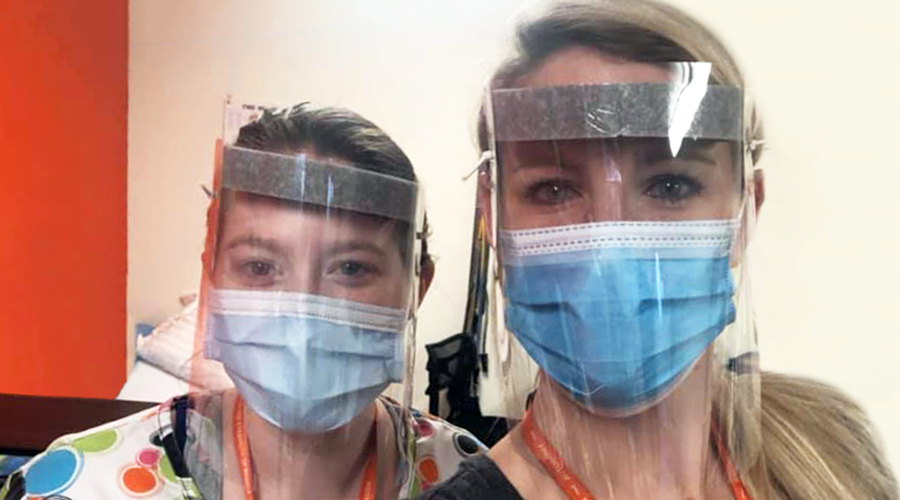
By Juliana Strelec, PT, DPT, LSVT BIG
Physical Therapist
Accepting a job with FOX Rehabilitation after graduation was a dream. The position would involve treating the exact patient population I had a passion for treating, plus FOX has a great mission statement—and encompasses the values I saw as priorities for my future as a physical therapist. The first three months were filled with learning the electronic medical record system, building up my caseload, and excellent mentorship through FOX’s New Graduate Mentorship Program.
Then it all came crashing down. I remember waiting for a patient to finish lunch at one of the assisted living facilities surrounded by anxious residents watching the news in the common area catching up on notes when headlines came across the screen about states beginning quarantine. COVID-19 had hit the United States hard and fast, especially in the NYC/North Jersey area where I was working.
In what seemed like the blink of an eye, patients were canceling treatment sessions and buildings were quarantining. I was faced with a decision I never thought I’d have to make in my first 3 months of work: furlough or continue working at a reduced workload. I decided to continue working. I decided to continue working because truthfully I was worried about my clinical skills that were just in the beginning stages of development.
So although I was still working, I was anxious about how to stay clinically involved and how to continue learning as much as possible despite the situation at hand.
Resources for Pursuing Clinical Excellence, Even During COVID-19
FOX has incredible resources for its employees. I found myself browsing MedBridge which is offered through FOX but also accessible to all PTs/OTs/SLPs through a membership. They offer live webinars and continuing education courses offered at my disposal through their portal online. I began reviewing Clinical Traffic Lights documents, which include quick overviews of some common diagnoses and monitoring signs and symptoms that I frequently see, such as congestive heart failure and COPD. Also, podcasts are available to keep you up to date with all the latest Fresh FOX Content.
Along with these great resources, I thought of other ways that I could stay clinically involved and continue to learn as a new clinician which included reflecting on past patients, using outside resources, and touching base with friends who were therapists in other settings. Prior to accepting my job with FOX, I purchased a textbook titled “Geriatric Rehabilitation-A Clinical Approach” by Carol Lewis and Jennifer Bottomley. This resource was used to supplement my time during my now lesser caseload days to sharpen my clinical skills and learn more about body systems in the geriatric population to educate myself and my patients. I highly recommend this book to anyone primarily treating in the geriatric population.
Although I was toward the end of my Mentorship Program, I still reached out to my amazing mentor to review the documentation on new evaluations that I had or would inquire about clinical decision making in therapeutic exercises and patient presentations. For those of you who do not have a Mentorship Program, there can be ways to connect with someone in your company who may act as an unofficial mentor or reach out to someone in your company to inquire about a mentor-like program. I also looked at my weaknesses that I had such as pharmacological interactions/drug classes, orthopedic review, and treating patients with Alzheimer/dementia.
Although the COVID-19 pandemic upturned everyone’s life, I tried to use this time to reflect on where I was as a therapist and where I wanted to go. I hope to continue these reflections with the help of FOX in the future with hopefully no more pandemics.