
Barriers to ADL Performance in the Parkinson’s Patient: An OT Crash Course
By Cristina Klymasz, MS, OTR/L, CBIS, RYT, CLT‑LANA, MSCS
Occupational Therapist, South Carolina
Parkinson’s disease is a prominent diagnosis treated by occupational therapists. Common barriers to Activities of Daily Living (ADL) performance include fatigue, tremors, weakness, vision deficits, and decreased motivation. These barriers limit progress and can leave the patient, family, and therapists feeling frustrated. Motivating patients to find value in ADL re-training when they are already frustrated can be an additional barrier for occupational therapists to conquer. Finding innovative ways to circumvent these barriers can be taxing for new and seasoned clinicians alike. This article will be a crash course in novel ways to beat these barriers.
Compensation for Tremors, Fatigue, and Weakness
Involuntary movements, tremors, and progressive weakness are known side effects of long-term Levodopa use. These issues will affect a patient’s ability to grasp needed items during ADLs. Zippering, buttoning, and eating with utensils are commonly reported as difficult for patients with Parkinson’s disease. To compensate for the involuntary movements/tremors, adding weight can help. Using weighted pens or utensils can provide more stability. Unfortunately, many patients report that the added weight increases their fatigue and weakness. Some patients report that it is an uphill battle when using weighted instruments. Below are some simple tricks for ADL performance that will prevent fatigue and compensate for the tremors/involuntary motions and weakness.
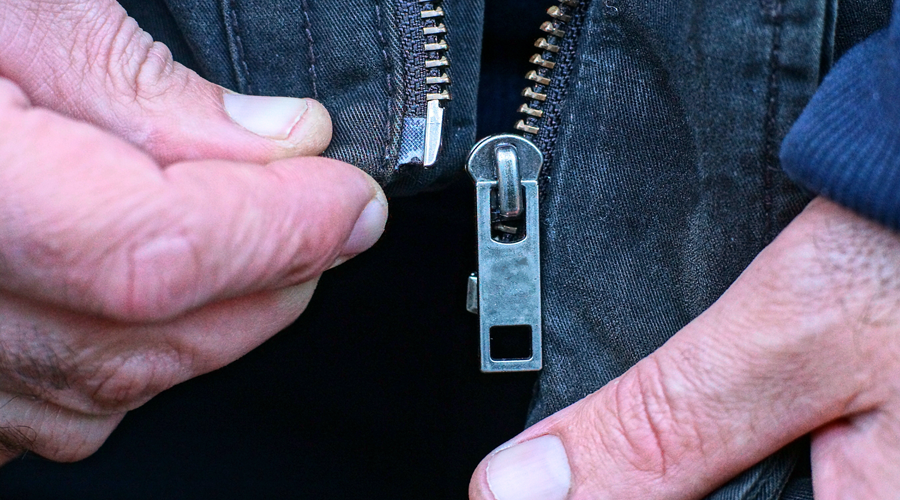
- Zippering success: Attach a paperclip to the zipper pull. This will allow for a better grip on the item and require larger muscles to utilize the zipper.
- Bra fastening triumph: There are several options for winning the game of donning a bra seamlessly:
- Place Velcro strips or dots with adhesive backing over the tricky clasps. Patients can easily press or place body weight over the Velcro for closure and use an easy pulling motion for doffing.
- Patients can purchase bras specifically made for people with motor deficits. A few brands are The Able Label, Springrose, and Buck & Buck
- Conquer buttoning:
- For patients with mild motor deficits, a weighted button hook might be sufficient.
- For patients with moderate motor deficits, caregivers can convert buttons to magnetic buttons.
- Some clothing lines have adaptability in mind. Magnetic buttons are added to the following lines for ease of button closure: MAGNAREADY, Silverts, and Tommy Hilfiger.
- Improve grip of utensils, pens, toothbrushes, and other ADL items: Wrap Coban around ADL tools that are long or have handles. This will allow for improved grip and prevent grip slips.
Compensations for Visual Deficits
Contrast detection, or the ability to detect an object from its background, is a common visual deficit that occurs in those with Parkinson’s disease. Deficits in contrast detection lead to difficulty locating needed objects during ADLs. An example of a contrast detection deficit error is a patient’s inability to find a white toothbrush on a white sink. Increased time searching for needed items can lead to anxiousness and fatigue. Below are quick and easy ways to illuminate ADL items for patients:
- Add contrasting color: Wrap electrical tape or colored Coban on items that patients have difficulty finding.
- Make items pop out: Place hard-to-find items on a colored towel or placemat.
- Add texture and color: Use white-out, puffy paint, or colored markers on electrical buttons, remote controls, or small items that are difficult for the patient to locate.
Motivating Patients for ADL Participation
Motivating a patient with Parkinson’s to participate in ADL re-training can be difficult. Building education time into sessions to educate patients on the importance of ADLs is vital. This education component can be billed via self-care/home management or therapeutic activity. Below are some ways to improve motivation and educate the patient on the importance of ADLs:
- ADL participation is exercise! For those patients who are more motivated to exercise and address mobility deficits, education on the concept of ADL performance as exercise can improve willingness to participate.
- What motivates the patient? Motivational interviewing is a powerful tool to identify what will motivate the patient. Once you identify a patient’s motives, you can sprinkle motivators into activities or as a reward.
- Not sure where to start with motivational interviewing? You can use the concept of Brief Motivational Interviewing as a guide.
- Link goals to ADL functioning: Discussing a patient’s long-term goals can be beneficial. Many long-term goals require the performance of ADLs. For example, returning to driving to run errands requires that a person dress themselves before transferring into the car. Reminding patients of the prerequisite steps required to achieve their overall long-term goal can foster willingness to participate in ADLs that they are resisting.
The above tips and techniques may be simple, but they can be very effective in improving a patient’s quality of life and ability to participate in ADLs. These tips and techniques can be an arsenal of tools that you keep in your toolbox when you feel stuck with a patient. Implementing one of the above tools with a patient might even spark an even better idea to solve the problem!