
Treatment Sessions in the Sun
By Meagan Aponas, OT
SLC Lead Clinician, Massachusetts
It is no secret that getting outdoors, breathing in the fresh air, and feeling the sun hit your face can brighten up anyone’s mood. Now imagine being restricted, unable, or limited in the time you were able to spend outdoors. Imagine the negative effects on not only your physical but also your mental and emotional health. Unfortunately, this is a daily battle for many older adults for various reasons. According to a New York Times article, “almost two million people over age 65, or nearly 6 percent of those Americans (excluding nursing home residents), rarely or never leave their homes, researchers recently reported in JAMA Internal Medicine.”
As an occupational therapist working within the home environment of my patients, I frequently observe limitations and lack of access to time outdoors among my patient population. This lack of time spent outdoors has many different negative side effects on the lives of my patients and the entire older adult population. According to the study “Frequency of Going Outdoors: A Predictor of Functional and Psychosocial Change Among Ambulatory Frail Elders Living at Home” there were significant relationships between the frequency of going outdoors and changes in self-efficacy for daily activities and overall health promotion with participants going outdoors most frequently improving significantly more than those who did not. Aside from decreased independence with ADLs, other negative side effects secondary to lack of time spent outdoors include but are not limited to increased depression, social isolation, and overall, less physical activity.
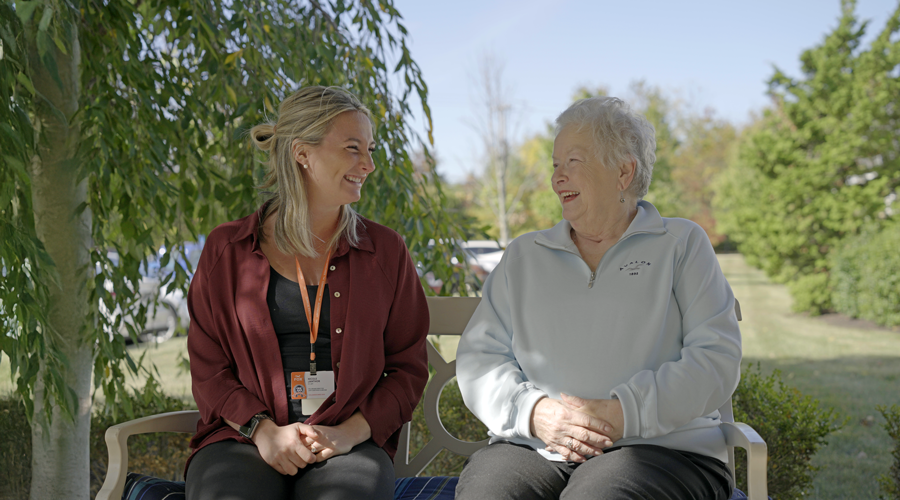
Not only are there negative impacts to not going outside, but research shows there are many benefits to going outdoors. Getting outdoors can positively impact an individual’s physical health, cognitive processing, and mental health. Physically, being outdoors can reduce cortisol levels, lower heart rate and blood pressure, and reduce muscle tension. Being outdoors also increases an individual’s vitamin D levels which can improve bone health, blood cell production, and the overall immune system. Additionally, many of our patients are confined to their homes, assisted living facilities, or even just their rooms. Getting outside and experiencing a change of scenery can truly make a patient’s day. Between the sunshine, change in scenery, increased chance for socialization and fresh air, time spent outdoors is bound to cheer up any patient.
So, as clinicians, what can we do about this? The research is clear that going outdoors has positive impacts on a patient’s mental, physical, and emotional health. As clinicians, adding in outdoor treatment time, when appropriate, would be beneficial for many of our patients. Some ways to do this include going for a walk outdoors, performing therapeutic exercises or activities on a porch or seated in a yard, performing gardening, fetching mail, etc. Many of our daily treatment plans can be modified to be performed outdoors to add that additional benefit of nature. That said, there are some different things to consider. Going outdoors can also add risks if not done appropriately. For example, uneven terrain, hot sun, bugs and outdoor critters, and icy conditions are just a few of the unexpected environmental factors to keep in mind when considering modifying your sessions to be performed outdoors. Second to environmental factors, the clinician should assess whether going outdoors is appropriate for each specific patient. Those patients with complex medical needs, copious amounts of medical equipment, or those who struggle with incontinence should undergo more careful consideration before moving a treatment session outdoors as a patient’s safety should always be the number one priority. There are some strategies to ensure a safe session outdoors, including assessing and locating a safe outdoor space, encouraging patients to use the restroom before moving locations, and promoting proper hydration and sun protection. Additionally, all areas involved in your plan of care should remain skilled and have appropriate goals linked.
One aspect of performing treatment sessions outdoors that warrants further elaboration is the increased complexity of walking in an outdoor environment. Indoor walking typically occurs on even surfaces with occasional thresholds to navigate. In contrast, outdoor walking involves various factors that demand greater attention to detail and caution. Some of these factors include uneven terrain such as grass, hills, or bumpy surfaces; unexpected obstacles such as curbs, rocks, and sticks; and inclement weather. While these challenges necessitate a heightened level of vigilance, they also offer valuable opportunities for enhancing a patient’s physical capabilities. Engaging in outdoor walking with its inherent additional challenges can lead to improvements in a patient’s overall balance, attention to task, decision-making skills, muscle endurance, and safety and awareness.
Incorporating outdoor activities into your treatment sessions not only enhances the therapeutic experience but can also be a transformative step in improving your patients’ overall well-being. By fostering a deeper connection with nature, clinicians have the opportunity to positively influence physical health, mental resilience, and emotional balance. The outdoors presents a unique, multifaceted environment that encourages patients to challenge their limitations while benefiting from the restorative effects of fresh air, sunlight, and natural movement. With thoughtful planning and careful attention to each individual’s needs, clinicians can harness the healing power of the outdoors to maximize patient outcomes, making every step outside a step towards greater health, independence, and happiness. Overall, the benefits of going outdoors, the negative implications of not spending enough time outdoors, and the potential gains from varying your treatment session environments are all reasons to consider moving your next treatment session outdoors.