
Warmth in Winter: Helping Older Adults Stay Mentally and Physically Active
By Mark Sala, PT
Physical Therapist
Why is Winter So Difficult for Older Patients?
Winter is usually a festive time for holiday gatherings, snowy landscapes, and hot chocolate. But for others, especially the elderly, it can be a lonely experience. With winter comes plunging temperatures and icy surfaces, when nature seemingly conspires to make life difficult or treacherous outdoors. This can further isolate an older adult, especially those encumbered by an injury or ailment.
COVID-19: An Unwelcome Winter Visitor
The pandemic continues to compound isolation and stress, with fears of infection, hospitalization, or death, making it even harder for any sort of socialization. Heartbreakingly, COVID-19 has also contributed to the loss of loved ones. The passing of a spouse, for instance, has increased the isolation of many geriatric patients.
Where winter’s weather prevents outings, this virus has prevented or minimized indoor gatherings, including group exercise classes, religious services, etc. This is devastatingly relevant for the patient stuck at home, who must rely on visitors for any social event. For many who count on the holidays to see loved ones, it has been especially hard this season, having to confront nature’s one-two punch of weather and virus.
Speech-language pathologists, occupational therapists, and physical therapists who conduct House Calls see this personal adversity up close—trudging and driving through snow and salted slush to provide much-needed rehabilitation. And therapy sessions are more than just exercise for the isolated individual.
How Clinicians Provide More than Therapy
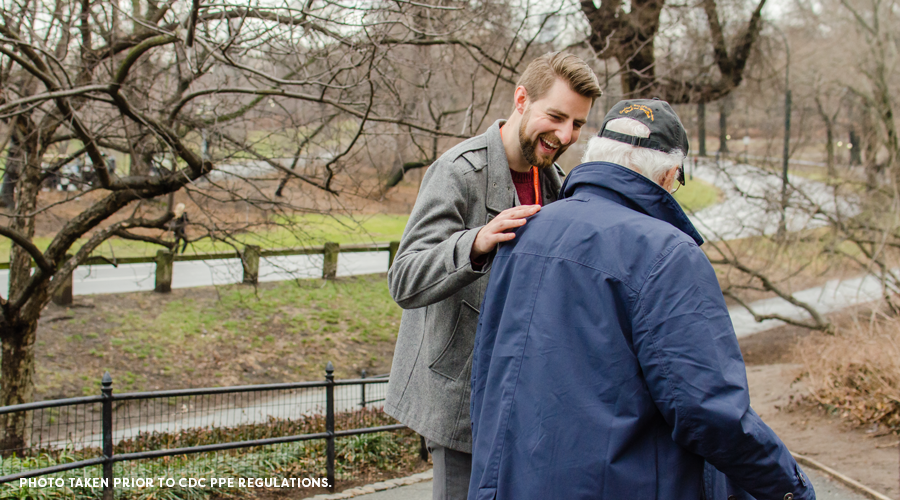
Therapeutic treatment for speech, cognition, strength, balance, function, etc. is the core of home rehabilitation. But a clinician can be a warm presence, too—the much-needed visitor during the winter months, and a source of consolation for some. As a client exercises through physical and mental exertion, they may also vent and confide. Therapists become ears, sounding boards, and “bartenders”–an audience for cheesy jokes, fond memories, and family rumors. In fact, effective conversation helps to release “feel good” chemicals in our brains, such as dopamine, oxytocin, and endorphins (more on these hormones below).
A good bedside manner includes a calming conversational style that can ease anxiety and build trust. Furthermore, gaining a patient’s confidence can lead to communication about any symptoms or emotions, including depressive symptoms that were otherwise hidden from others.
Spotting Signs of Depression During Winter Home Visits
Long winter months in isolation, exacerbated by the pandemic, can have many older adults feeling down and lonely. The home clinician can often be one of a few visitors (or the only one) for a sequestered or mostly homebound patient. This unique position allows you to observe any depressive symptoms, especially when we gain a person’s trust as mentioned above.
At a home visit, a careful review of medications may provide hints to a history of or a predisposition toward depression. Selective serotonin reuptake inhibitors (SSRIs such as paroxetine and escitalopram), serotonin-norepinephrine reuptake inhibitors (SNRIs such as duloxetine), and tricyclics (e.g., amitriptyline) are all drugs to look out for. Clinicians may also utilize screening tools (e.g., Whooley’s depression tool) to rule out or investigate any depressive symptoms.
As with other worrying signs or symptoms, it is always important to communicate any change in behavior with caregivers, family, and primary care physicians. If there are signs of depression, a referral can be made to the appropriate specialist, including a psychotherapist or psychiatrist. For less dire situations, a visit by the local priest, rabbi, etc. can give a spiritual lift. Zoom time with grandchildren and other loved ones can also provide an emotional boost.
Besides monitoring for any building sadness, home rehabilitation can help to ward off downward spirals, whether physical or mental ones. Melancholy can lead to inactivity, inactivity to physical impairments, which can create more depressive symptoms—a cycle of deterioration. Through individualized treatment plans, the body and mind are trained to reach their maximum potentials, helping to break any such cycles. Lifting someone’s spirit via progressive activeness and achievement is an added benefit.
Home Rehabilitation—Restoring Both Body and Spirit
Banter, laughs, and conversation are just icing on the therapeutic cake. Therapy visits involve various exercises and techniques, helping to restore and maintain safe functioning in the home. Cognition, vocal/swallowing musculature, and neuromotor networks are also challenged.
In addition, treatment programs help the mind as much as the body. Besides aiming for more effective functional activity, certain types of exercise are proven to reduce stress levels and improve mood. Much of this has to do with releasing or boosting the brain’s neurotransmitters, such as dopamine (the “feel-good” hormone), serotonin, and endorphin. Just accomplishing something (or even the anticipation of accomplishment) can stimulate dopamine production. An imbalance of these chemicals plays a significant role in mood and depression, and exercise can help to regain a healthy equilibrium.
Some clinicians incorporate yoga or tai chi, both “meditation in motion” forms of exercise—with foci on deep breathing and body awareness. In fact, much of rehabilitative activity/exercise (e.g., functional mobility training, balance challenges, etc.) demands a certain concentration, so that striving for and reaching a certain task can distract the mind from other worrying thoughts—a kind of “meditation in motion” in itself. Improved health and function can then contribute to a sense of well-being and a positive outlook.
Looking Forward
Instead of a winter hibernation, therapists are preparing patients for a better year—challenging the body and mind toward optimal functional independence and a better quality of life. Balance is honed, muscles strengthened, and the mind sharpened. When the last frost thaws and the pandemic wanes, many of our patients will be equipped to get out safely again.
All of this hard work and achievement can contribute to a positive perspective, making future plans or events more attainable and providing something to look forward to. But in the meantime, our presence and skills continue to keep a client safe, active, and happy—an uplifting warmth in winter.